

Manufacturing Video Production: Turning Complex Processes into Clear Visual Stories
Modern manufacturing operations are increasingly complex, involving sophisticated machinery, automation systems, and intricate workflows. Communicating these processes to clients, investors, employees, or stakeholders can be challenging. Traditional methods such as brochures, presentations, or written reports often fail to convey the scale, precision, and efficiency of industrial operations.
Manufacturing video production has emerged as an essential tool for modern factories, transforming complicated processes into clear, engaging, and professional visual stories. By combining expert filming, storytelling, and technical knowledge, manufacturing video production enables companies to showcase operational excellence, build credibility, and strengthen client relationships.
This article explores the advantages, applications, and best practices for manufacturing video production, and answers common questions about the process.
The Importance of Manufacturing Video Production
Manufacturing video production goes beyond simply filming a factory floor. It captures the essence of operations and translates technical complexity into visual narratives that are easy to understand. The benefits include:
- Enhanced Communication: Videos allow technical processes to be explained visually, reducing misunderstandings and improving clarity.
- Brand Credibility: High-quality videos demonstrate professionalism, reliability, and attention to detail, strengthening your brand image.
- Marketing and Sales Support: Videos provide persuasive tools for marketing campaigns, trade shows, and sales presentations.
- Training and Recruitment: Visual storytelling simplifies employee onboarding, safety training, and recruitment initiatives.
- Global Reach: Videos provide remote clients and international partners with a transparent view of production capabilities.
How Manufacturing Video Production Works
A professional manufacturing video production process typically follows several steps to ensure accuracy, safety, and effectiveness:
Step 1: Planning and Strategy
The process begins with understanding the factory’s goals, target audience, and communication objectives. Producers assess the workflows to identify key processes to highlight, determine video formats, and establish storytelling strategies.
Step 2: Scriptwriting and Storyboarding
Complex technical processes are translated into structured scripts and storyboards. This ensures the narrative is logical, engaging, and easy to follow while highlighting key operational strengths.
Step 3: Filming
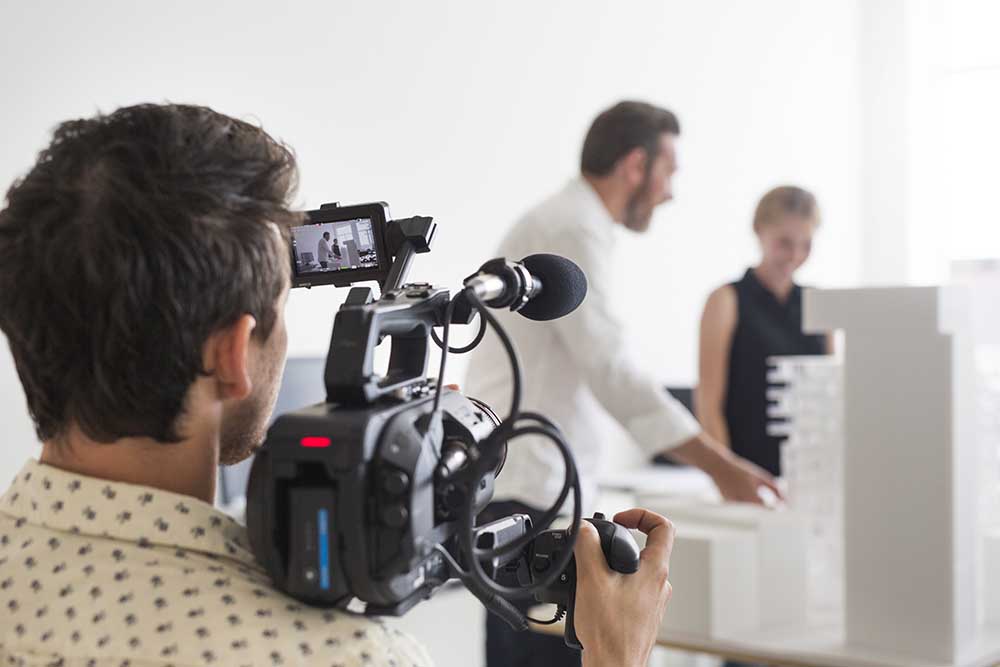
Experienced production teams film the factory environment using professional cameras, stabilization equipment, and lighting setups. Specialized techniques such as drone footage, time-lapse sequences, and close-up shots capture the precision and scale of operations.
Step 4: Editing and Post-Production
Raw footage is transformed into a polished narrative through editing, motion graphics, voiceovers, and sound design. Complex processes are simplified using animations, annotations, and visual cues, making the content accessible to all audiences. Using manufacturing video production, businesses can communicate operational efficiency in a visually compelling way.
Step 5: Distribution and Optimization
Videos are optimized for multiple platforms including websites, social media, trade shows, sales presentations, and internal communications. This ensures maximum visibility, engagement, and impact.
Advantages of Turning Complex Processes into Visual Stories
1. Simplifies Technical Information
Visual storytelling converts intricate workflows into clear, step-by-step representations. This helps clients, employees, and stakeholders understand processes without requiring specialized technical knowledge.
2. Builds Trust and Credibility
Showing real operations on film provides proof of operational excellence, quality control, and compliance with standards. Transparency strengthens trust with clients and partners.
3. Improves Engagement
Video content is more engaging than static images or text, capturing attention and maintaining viewer interest throughout the explanation of processes.
4. Supports Decision-Making
Clients and investors can assess factory capabilities more accurately when they see processes in action. This visual evidence accelerates decision-making and reduces uncertainty.
5. Provides Long-Term Value
Professional manufacturing videos can be reused for marketing, sales, training, and internal communications, offering a long-term return on investment.
Best Practices for Manufacturing Video Production
- Collaborate with Experts: Work with video producers experienced in industrial environments. They understand safety protocols and technical workflows.
- Focus on Key Processes: Highlight operations that demonstrate efficiency, innovation, and quality.
- Incorporate Storytelling: A clear narrative helps viewers follow complex processes and remember critical information.
- Ensure High Production Quality: Professional lighting, stabilized cameras, and sound design enhance credibility.
- Optimize for Multi-Platform Distribution: Tailor video formats for web, social media, and presentations to maximize reach.
Frequently Asked Questions (FAQs)
1. What is the purpose of manufacturing video production?
Manufacturing video production turns complex industrial processes into clear, engaging visual stories. It helps factories communicate capabilities, showcase operational excellence, support sales and marketing efforts, and strengthen brand credibility.
2. How can manufacturing videos help in sales and marketing?
Videos demonstrate real processes, quality standards, and past successes, making it easier for potential clients to understand capabilities and build trust. They are persuasive tools for presentations, proposals, and digital campaigns.
3. Can complex technical processes be explained effectively in videos?
Yes. Professional producers use structured storytelling, visual graphics, annotations, and voiceovers to simplify complex workflows, making them accessible to technical and non-technical audiences alike.
4. Is safety a concern during industrial filming?
Yes. Experienced manufacturing video producers follow strict safety protocols, coordinate with production managers, and conduct risk assessments to ensure filming does not disrupt operations or endanger staff.
5. How long does it take to produce a professional manufacturing video?
Production timelines vary depending on project complexity. Pre-production planning, scriptwriting, filming, and post-production can take anywhere from a few days to several weeks for comprehensive factory videos.
6. Can videos be used for training and recruitment purposes?
Absolutely. Manufacturing videos are effective for onboarding, safety training, and showcasing company culture to attract skilled employees.
7. How should videos be distributed for maximum impact?
Videos should be optimized for multiple platforms, including websites, social media, email campaigns, trade shows, and internal communications. Multi-platform distribution increases engagement and audience reach.
Conclusion
Manufacturing video production is a transformative tool that turns complex industrial processes into clear, engaging, and professional visual stories. By simplifying technical information, building credibility, supporting sales and marketing, and enhancing employee training, these videos provide significant value to modern factories.
Professional video production ensures that operations are represented accurately, safely, and effectively. In an era where visual communication dominates, manufacturing video production is essential for factories seeking to strengthen client relationships, enhance brand reputation, and communicate industrial excellence.