

Pelvic Health Devices That Support Women’s Wellness and Rehabilitation
Pelvic health plays an important role in a woman’s overall wellbeing, physical comfort, mobility, confidence, and quality of life. The pelvic region contains muscles, connective tissues, nerves, and organs that work together to support bladder control, bowel function, sexual health, pregnancy recovery, and body stability.
Many women experience pelvic health challenges at different stages of life. Pregnancy, childbirth, aging, hormonal changes, surgery, injuries, and lifestyle factors can influence pelvic muscle strength and function. Common concerns include pelvic floor weakness, urinary incontinence, pelvic organ prolapse, discomfort during intimacy, and chronic pelvic pain.
Pelvic health devices are designed to support women during rehabilitation and wellness programs. These tools can assist with muscle training, pain management, recovery, and symptom management when used correctly under appropriate guidance.
Modern pelvic health solutions include devices such as pelvic floor trainers, vaginal probes, electrical stimulation devices, pelvic wands, pessaries, and other rehabilitation tools. Each device serves a different purpose and may help women improve comfort, strength, and control.
This article explains the important points about pelvic health devices and how they support women’s wellness and rehabilitation.
Understanding Pelvic Health and Its Importance
The pelvic floor is a group of muscles located at the base of the pelvis. These muscles act like a supportive structure that helps hold pelvic organs in place.
The pelvic floor supports:
The bladder.
The uterus.
The rectum.
The vaginal structures.
These muscles also contribute to:
Urinary control.
Bowel control.
Sexual function.
Core stability.
Postpartum recovery.
When pelvic floor muscles become weak, overly tight, or poorly coordinated, different symptoms may appear.
Common pelvic health concerns include:
Urinary leakage.
Pelvic pressure.
Pelvic organ prolapse.
Pain during intercourse.
Difficulty controlling bladder function.
Pelvic muscle tension.
Maintaining healthy pelvic function is important at every stage of life.
Point One Pelvic Floor Training Devices Improve Muscle Awareness
One of the main benefits of pelvic health devices is helping women understand and activate their pelvic floor muscles correctly.
Many women find it difficult to identify these muscles without guidance. Training devices can provide feedback that helps improve awareness and coordination.
Pelvic floor training tools may help women:
Recognize muscle contractions.
Improve exercise technique.
Monitor progress.
Build stronger pelvic muscles.
Develop better muscle control.
Proper muscle awareness is an important foundation for successful rehabilitation.
Point Two Vaginal Probes Support Biofeedback Training
Pressure biofeedback vaginal probes are specialized devices used during pelvic floor rehabilitation.
These devices contain a sensitive mechanism that measures changes related to muscle contractions. The information helps users and healthcare professionals understand how effectively pelvic muscles are working. Learn about pregnancy preparation and postpartum care options through https://www.pelvicare.eu/en/menu/pregnancy-birth-postpartum-701.html for better pelvic support.
Benefits of biofeedback training may include:
Improved awareness of muscle activity.
Better contraction control.
More effective pelvic exercises.
Personalized rehabilitation programs.
Biofeedback allows women to understand their progress rather than relying only on feeling.
Point Three Electrical Stimulation Devices Help With Muscle Activation
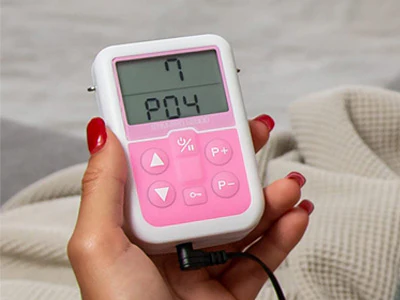
Electrical stimulation devices use gentle electrical impulses to stimulate nerves and muscles.
These devices are sometimes used in pelvic rehabilitation when women have difficulty activating pelvic muscles naturally.
Electrical stimulation may help support:
Muscle awareness.
Pelvic muscle activation.
Rehabilitation after certain conditions.
Pain management programs.
Devices should always be used according to professional recommendations because correct settings and placement are important.
Point Four TENS Devices Support Pain Management
Transcutaneous Electrical Nerve Stimulation devices are commonly used for managing different types of pain.
TENS therapy works by sending controlled electrical signals through electrodes placed on the skin.
The therapy may help by:
Influencing pain signal transmission.
Supporting natural pain relief responses.
Reducing discomfort.
Encouraging relaxation.
TENS devices are used for various pain conditions and may also support labor pain management when specifically designed for this purpose.
Point Five Pelvic Wands Support Muscle Relaxation
Pelvic wands are flexible tools designed to support pelvic floor muscle therapy.
They are commonly used for internal therapeutic massage and muscle relaxation under appropriate guidance.
Pelvic wands may help with:
Releasing muscle tension.
Improving awareness of tight areas.
Supporting relaxation techniques.
Encouraging better pelvic muscle function.
The correct use of pelvic wands is important because excessive pressure or incorrect technique may cause discomfort.
Point Six Pessary Devices Provide Pelvic Organ Support
Pessaries are medical devices inserted into the vagina to provide structural support for pelvic organs.
They are commonly used for conditions such as:
Pelvic organ prolapse.
Certain types of urinary incontinence.
Pelvic support problems.
Pessaries come in different shapes and sizes, including:
Ring pessaries.
Cube pessaries.
Support pessaries.
The correct type and size should be selected by a qualified healthcare professional.
Point Seven Pelvic Health Devices Support Postpartum Recovery
Pregnancy and childbirth can place significant stress on pelvic muscles and tissues.
After childbirth, some women experience:
Pelvic muscle weakness.
Urinary leakage.
Changes in pelvic support.
Pelvic discomfort.
Rehabilitation devices may support recovery by helping women:
Reconnect with pelvic muscles.
Improve strength.
Restore confidence.
Follow structured rehabilitation plans.
Postpartum recovery should be personalized according to individual needs.
Point Eight Devices Can Support Urinary Control Improvement
Pelvic floor weakness is one factor that may contribute to urinary leakage.
Training devices can support exercises designed to improve pelvic muscle function.
Potential benefits include:
Better bladder control.
Improved muscle strength.
Increased awareness.
Enhanced confidence during daily activities.
Consistent training combined with healthy habits may provide better results.
Point Nine Pelvic Health Devices Encourage Non Surgical Rehabilitation
Many women prefer conservative approaches before considering surgery.
Pelvic health devices can support non surgical rehabilitation strategies by helping improve muscle function and manage symptoms.
Benefits of conservative approaches include:
Lower risk compared with surgical procedures.
Personalized treatment options.
Ability to combine with exercise programs.
Long term self management support.
However, some conditions may still require medical intervention.
Point Ten Devices Support Personalized Treatment Plans
Every woman’s pelvic health needs are different.
A device that works well for one person may not be suitable for another.
Healthcare professionals consider factors such as:
Symptoms.
Medical history.
Pelvic muscle condition.
Lifestyle.
Treatment goals.
Personalized recommendations help ensure safer and more effective use.
Different Types of Pelvic Health Devices
Vaginal Biofeedback Probes
These devices measure pelvic muscle activity and provide feedback during training.
They are commonly used in rehabilitation programs where muscle awareness is needed.
Pelvic Floor Exercise Trainers
These devices support strengthening exercises and help users monitor progress.
They may include feedback systems or guided training features.
Electrical Stimulation Devices
These devices deliver controlled electrical impulses to support muscle activation or pain management.
TENS Pain Relief Devices
TENS devices focus mainly on pain management through external electrical stimulation.
Pelvic Wands
These tools support muscle relaxation and therapeutic massage techniques.
Vaginal Pessaries
These medical support devices help maintain pelvic organ position and manage symptoms related to prolapse.
Advantages of Using Pelvic Health Devices
Improved Rehabilitation Support
Devices provide additional assistance during pelvic health programs.
Better Muscle Awareness
Many tools help women understand how their pelvic muscles work.
Support for Different Conditions
Different devices address different needs, from muscle weakness to pain management.
Non Surgical Options
Many devices support conservative treatment approaches.
Increased Confidence
Improved symptom management can positively affect daily life and emotional wellbeing.
Important Safety Considerations
Pelvic health devices should always be used correctly.
Important safety points include:
Following product instructions.
Using devices designed for medical purposes.
Maintaining proper hygiene.
Avoiding use when contraindications exist.
Consulting a healthcare professional when symptoms are unclear.
Professional guidance is especially important for medical devices used internally.
Choosing the Right Pelvic Health Device
Selecting the appropriate device depends on individual needs.
Important factors include:
The purpose of use.
Current symptoms.
Comfort level.
Medical recommendations.
Ease of use.
Quality and safety standards.
Women should avoid choosing devices based only on popularity and should consider their specific health situation.
How Pelvic Health Devices Work With Exercise
Devices are most effective when combined with appropriate pelvic health exercises.
A complete approach may include:
Regular pelvic floor training.
Relaxation techniques.
Healthy lifestyle habits.
Medical follow ups.
Proper body awareness.
Devices are supportive tools, not replacements for healthy movement and professional care.
When Professional Guidance Is Recommended
Women should seek professional advice when experiencing:
Persistent pelvic pain.
Urinary leakage.
Pelvic pressure.
Symptoms of prolapse.
Pain during intimacy.
Difficulty using a device.
A healthcare provider can help identify the cause and recommend suitable treatment options.
Pelvic health devices provide valuable support for women’s wellness and rehabilitation by helping improve muscle awareness, pain management, pelvic support, and recovery. From biofeedback probes and electrical stimulation devices to pelvic wands and pessaries, these tools serve different purposes and can be included in personalized care plans.
The most effective results come from choosing the right device, using it correctly, and combining it with appropriate exercises and professional guidance. Pelvic health is an important part of overall wellbeing, and modern rehabilitation tools provide women with more options to maintain strength, comfort, and confidence throughout different stages of life.